
Television studios that run smoothly from rehearsal to air
We help broadcasters and production teams plan studio layouts, train camera crews, design lighting and sound, and map out the workflows that keep news and live shows on time.


What we do in the studio
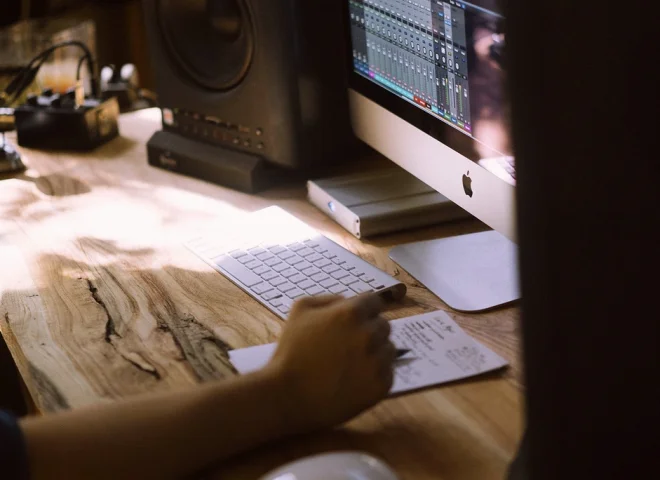
Studio Setup and Layout
We plan the floor, equipment positions and cabling of a news or live-show studio, so crews can move, rig and operate without getting in each other's way.
Services →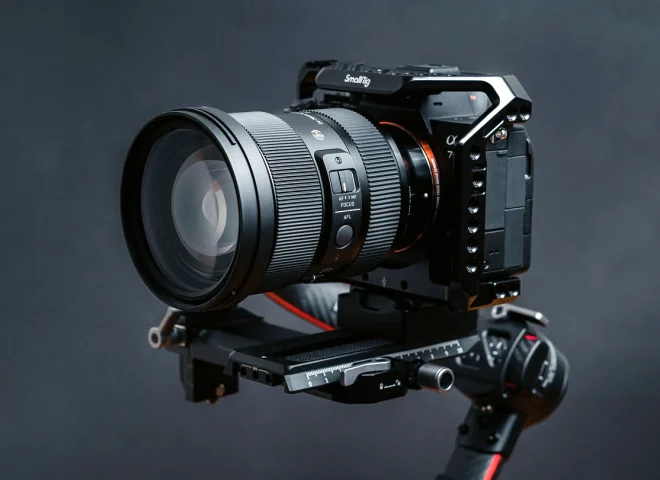
Camera Operation Training
Hands-on sessions for operators covering framing, smooth moves, and pedestal and robotic camera control. The focus is calm, repeatable habits during live programmes.
Services →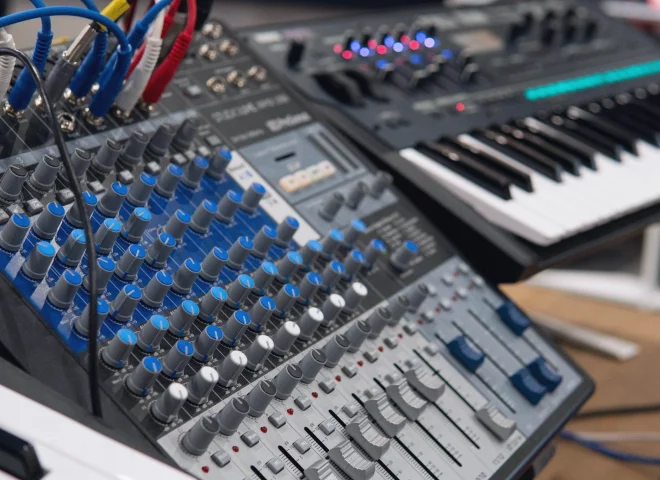
Lighting Design
Lighting plots for presenters, desks and sets. We balance key, fill and backlight so skin tones stay consistent on screen and the rig stays practical to maintain.
Services →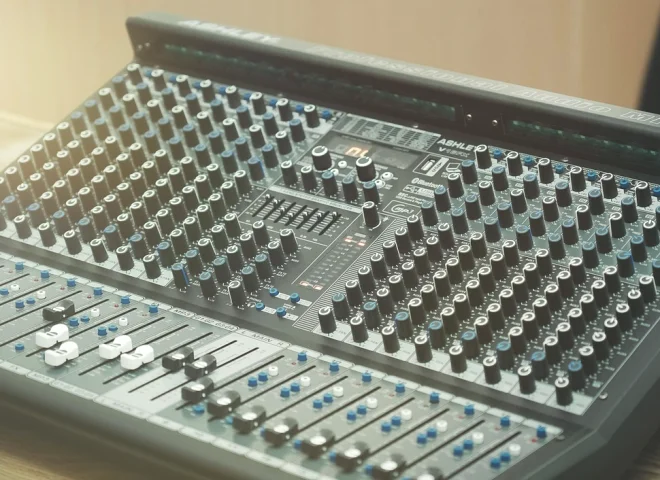
Studio Sound and Talkback
Microphone placement, audio mixing and intercom set-up, so presenters, directors and crew hear each other clearly and every voice is clean on air.
Services →
Live Show Workflow Planning
Run-sheets, cue systems and gallery routines mapped out in advance, so a live show moves from rehearsal to broadcast without confusion about who does what.
Services →
Studio Setup and Layout, step by step
This service suits producers and studio managers who are building a new studio, moving into a different room or finding that an existing floor is too cramped to work in. We look at how the crew actually moves and plan around it.
Contact
- Floor plan and camera positions
- We draw the floor to scale, placing desk, set pieces and camera positions so that shots are clean and operators have room to track, pan and reset between segments.
- Cable routes and patching
- Cable runs, floor boxes and patch points are planned so that nothing crosses a walkway or a camera path, and faults can be traced quickly when something drops out.
- Equipment placement
- Monitors, prompters, mixing positions and racks are positioned for sightlines and reach, so each crew member can see what they need without leaving their post.
- Crew movement and safety
- We mark where people walk, wait and change position during a show, keeping exits, power and heavy kit clear of the areas where presenters and operators work.
Bring room dimensions, any existing drawings and a list of the equipment you already own. A short description of a typical show helps us plan the layout.
From first conversation to a studio that runs well
Every project starts with understanding your programmes and your people. We keep the steps plain and each one ends with something written down, so producers, engineers and crew all work from the same picture before anything is rigged or rehearsed.
Discuss the programme
We talk through the show format, the studio you have or want, and where the crew currently lose time. You tell us what goes wrong on a bad day as well as what works.
Survey the space
We visit the studio or study its drawings, looking at room size, power, sightlines, existing equipment and the way people move between positions during a live show.
Draft the plan
Layout, lighting plot, audio and talkback arrangements, or the workflow itself, are drawn up as clear documents your team can read, question and adjust before anything changes.
Set up and train
Where the project includes it, we help position equipment, set up lighting and sound, and run sessions with operators so the plan is practised rather than just handed over.
Rehearse and refine
We watch a run-through or rehearsal, note what slows the crew down and adjust cues, positions or routines until the show moves smoothly from start to finish.
Questions we are often asked
Producers and studio managers usually want to know how we work before they get in touch. These answers cover the practical points; for anything else, write to us through the contact page.
Who do you usually work with?
We work with broadcasters, production companies and studio teams producing television news and live shows. That includes producers, studio managers, camera operators, lighting crews and gallery staff. Some clients are building a studio from scratch, others want to improve a room they already use every day.
Do you only advise, or do you also help set up?
Both are possible. Some clients want a written plan and drawings that their own engineers carry out. Others ask us to be in the studio while equipment is positioned and tested. We agree which of these applies before work begins, so the scope is clear on both sides.
Can you work with the equipment we already have?
Yes. Most studios have cameras, desks, lighting and audio gear that still serve them well. We start from what you own, note where it limits the show, and only suggest changes where they make a real difference to the crew or the picture.
How do the camera training sessions work?
Sessions are practical and take place in a studio with live-style conditions. Operators practise framing, smooth moves and pedestal or robotic camera control while following cues. We give feedback on the spot and focus on habits that stay steady under pressure.
Will you visit our studio?
Usually, yes. Seeing the room, the cable routes and the way your crew moves tells us far more than drawings alone. For smaller questions, a call or an exchange of photographs and plans can be enough to give useful advice.
How do we ask for a quote?
Send an enquiry through the contact page describing your studio and the kind of show you produce. We reply with questions if we need more detail, then send a written quotation. Work starts once you have confirmed it in writing.
How is payment handled?
After you confirm the quotation, we issue an invoice, which is paid by bank transfer. Nothing is paid through this website. Details of cancellations and refunds are set out in the payment and refund policy, and the prices page explains what each service includes.
Do you help with live show workflows as well as equipment?
Yes, and many clients find this is where the most time is saved. We map run-sheets, cue systems and gallery routines so that everyone knows their moment in the show. Good equipment helps, but a clear routine is what keeps a live programme calm.
Recent thinking from the studio floor
- Live Workflow
Building a Run-Sheet a Live Show Crew Can Actually Follow
A practical walk through writing a run-sheet, setting cues and agreeing gallery routines, so a live programme moves from rehearsal to broadcast without anyone guessing what comes next.
- Studio Layout
A Studio Layout Checklist to Work Through Before You Commit
Before cabling is pulled or a desk is ordered, these are the questions on floor space, positions, cable routes and crew movement that Helen Carter asks of every news or live-show studio.
- Studio Sound
Studio Sound and Talkback: Mistakes That Cost You Clear Audio
Priya Nair walks through the sound and talkback errors that most often trip up a news or live studio, and the plain habits that stop them before the programme goes to air.
Tell us about your studio and your next show
Send a short description of the studio and the programme through the contact page. We read it, ask for anything missing and reply with the sensible next step.
Send an enquiry
Describe your studio, your show format and what you would like to improve.
Receive a quotation
We confirm the scope in writing, with the price and what it includes.
Agree and begin
Once you confirm, we arrange a visit and start on the plan.