
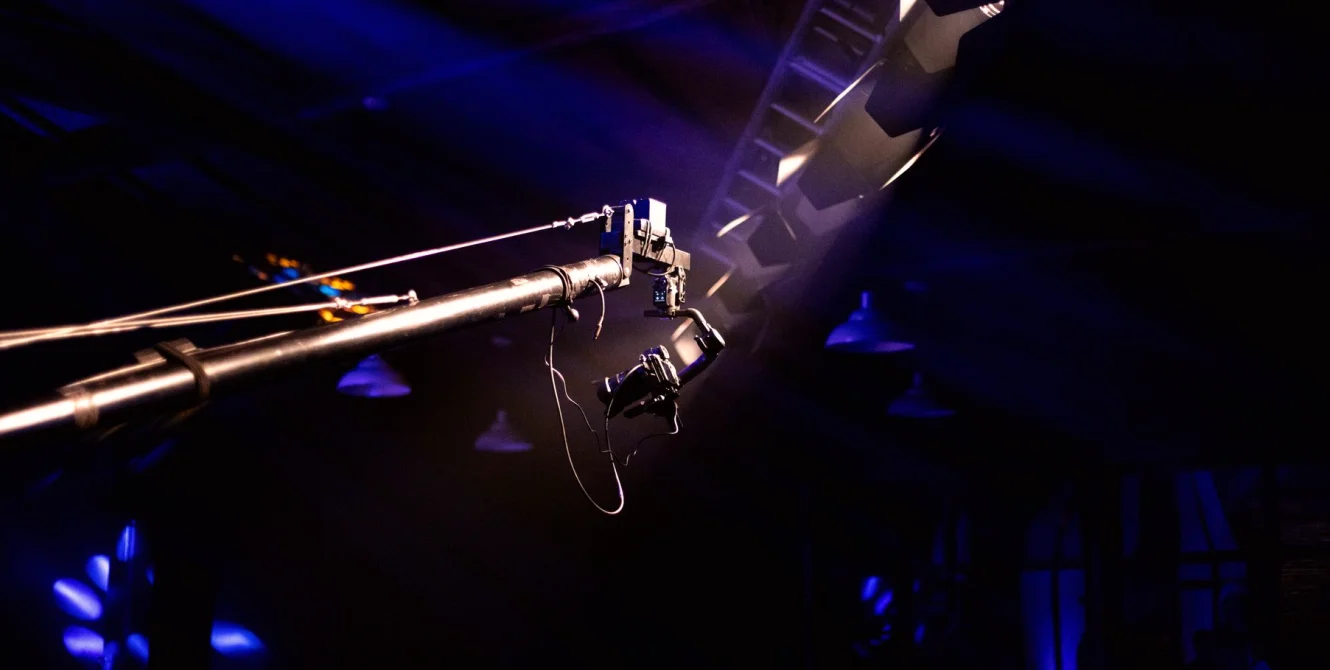
A checklist to run through before you commission a lighting plot
Priya Nair sets out the questions a producer or studio manager should answer before asking for lighting design: the room, the talent, the cameras, the crew and what happens after handover.
Start with the room you actually have
Before anyone draws a plot, walk the studio with a tape measure and a notebook. Lighting design begins with the ceiling, not with the lamps. Note the height to the grid or the bars, the type of rigging, the spare power on each circuit and whether anything hangs in the way, such as ventilation ducting, sprinkler heads or a cable tray. A plot that looks neat on paper can fail when a fixture cannot be hung where the drawing puts it.
Next, look at what the room gives you for free. Daylight through a window or a roller door will change the picture across a morning bulletin, so decide early whether it is blocked off or used. Wall colour matters too. A pale, glossy wall bounces light back onto the desk and shifts skin tones in ways that are hard to correct afterwards, while a matt dark surface behaves predictably.
Write all of this down in plain figures and bring it to the first conversation. It saves a surprising amount of time and makes any quotation more accurate.
- Ceiling height and the type of grid or bars
- Spare power per circuit and the distribution board location
- Windows, doors and any source of daylight
- Wall and floor finish, matt or glossy
- Anything hanging in the lighting positions
Know who sits in front of the lights
A lighting plot is built around people. Ask who will be on camera and how often. A single presenter at a fixed desk is a different problem from a rotating cast of guests, standing contributors and a weather presenter moving across a wall. Think about height differences, glasses, shiny foreheads, dark and light skin sitting side by side, and whether people sit or stand during a programme.
Consistent skin tones are the central aim of a good plot, and they depend on balancing key, fill and backlight for the faces you really have. A plot tuned for one person can look flat or harsh on the next guest if the fill is too low or the key sits too high. Tell the designer about the full range, including the awkward cases, rather than the typical day.
It also helps to say how much movement there is. If presenters walk between positions, the lighting has to hold across the whole path, not just at the marks where they begin.
Decide what the cameras will see
Cameras and lights have to agree. Find out which cameras you run, their sensitivity, and the exposure you prefer to work at. Some crews like a bright, even studio with lots of headroom; others prefer lower levels with more shape in the picture. Neither is wrong, but the choice drives the number and power of fixtures, the heat in the room and the electricity bill.
List the shots you rely on. A wide of the whole set, a tight two-shot at the desk, a close-up of a guest and a walking shot all place different demands on the plot. Check for unwanted shadows from the boom, the pedestal or a robotic head, and for reflections in desk surfaces, screens and glass.
If the set uses video walls or large monitors in shot, say so. Their brightness and colour need to sit comfortably beside the lit faces, and the plot has to avoid spilling light onto the screens and washing out the picture.
- Camera models and the exposure you like to work at
- The main shots used on air, wide to close-up
- Reflections from desks, glass and screens
- Shadows from booms, cameras and set pieces
Ask what the crew can look after
A plot is only as good as the people who live with it. Be honest about who will re-lamp, refocus and adjust the rig after the designer has left. A practical design for a small crew uses fewer fixture types, keeps positions reachable and avoids anything that needs specialist access for a routine lamp change.
Think about the working day, not only the first broadcast. If the studio is shared between a morning news show and an evening live programme, the rig may need presets or a simple routine for changing between looks. Decide who is allowed to move a fixture and who is not, and how changes are recorded so they can be undone.
Ask for a plot the crew can read. Clear labelling of fixtures, circuits and focus positions makes a handover far smoother, and it means the next person to open the drawings understands them without a phone call.
Settle the practical limits early
Budget, time and noise are real constraints, and lighting design is easier when they are stated at the start. Decide how much can be spent on fixtures and how much on the design itself, and whether existing lamps can be reused. Reusing sound equipment is often sensible, and the same is true of lighting, provided the old fixtures still give a stable colour and enough output.
Consider the schedule. Rigging, focusing and a proper test with the actual presenters need floor time, and that time competes with rehearsals and broadcasts. Agree which days the studio is free and what must stay on air while work goes on.
Finally, think about heat and fan noise. Some fixtures run hot or have audible fans, and either can reach the microphones in a quiet studio. Mention any such concern now, so the designer chooses and positions fixtures with it in mind.
- A spending limit for design and for equipment
- Which existing fixtures can stay in use
- Floor time available for rigging and testing
- Heat and fan noise near open microphones
What to have ready for a first conversation
If you can answer most of the questions above, you are ready to talk. Bring a rough floor plan, a few photographs of the set from the camera positions, the list of presenters and guests, and a note of any problems you already see on screen, such as uneven faces or a dull background.
Be clear about what a good result looks like to you. It might be consistent skin tones from one guest to the next, a set that has depth, or a rig that the crew can maintain without help. A stated aim lets the designer judge the plot against something concrete.
From there, the next step is a written quotation based on what you have described, and any enquiry can begin through the contact page. Nothing needs to be decided in the first call; the checklist simply makes it a better one.
A lighting plot goes well when the decisions behind it are made in the right order: the room, the people, the cameras, the crew and the limits. None of these questions needs a specialist to answer, only a careful look at the studio you work in. Go through the list with your colleagues, write the answers down, and you will arrive at the first conversation knowing what you need and what you can maintain.